
TL;DR
Living beyond your means often comes from emotional triggers, social pressure, and lifestyle inflation. Overspending provides short-term dopamine highs but leads to long-term stress, debt, and regret. Watch for low savings, high debt, and chronic budget overruns as warning signs. Key drivers include impulse buying, attachment styles, and social comparison. Breaking the cycle requires tracking spending, using strategies like the 50/30/20 rule, capping expenses, and limiting social media influence to regain financial control and build sustainable wealth.
Living beyond one’s financial means often stems from deep psychological triggers intertwined with modern economic pressures. Overspending triggers dopamine releases similar to other rewarding behaviors, creating a cycle where purchases provide short-term highs but long-term stress. This phenomenon affects millions, with U.S. household debt hitting record highs as people chase lifestyles fueled by social comparison and instant gratification.
Key Takeaways
Financial self-control builds through tracking, envelopes, and mindset shifts for lasting stability.
Overspending habits often arise from emotional spending triggers, creating cycles hard to break without awareness.
Lifestyle inflation sneaks in as income rises, matching expenses to new levels and starving savings.
Impulsive buying delivers quick dopamine but leads to regret, amplified by frictionless digital payments.
Financial self-sabotage manifests in avoiding budgets or maxing credit, rooted in psychological patterns.
Consumer debt psychology traps people in high-interest loops, worsening stress and limiting future options.
Emotional spending serves as self-soothing for anxiety, mimicking addictive behaviors.
Social comparison spending via media fuels FOMO, pushing unnecessary purchases for validation.
Status symbol spending signals success outwardly while eroding inner financial health.
Budgeting mistakes, like ignoring the 50/30/20 rule, accelerate living beyond means.
Psychological Roots
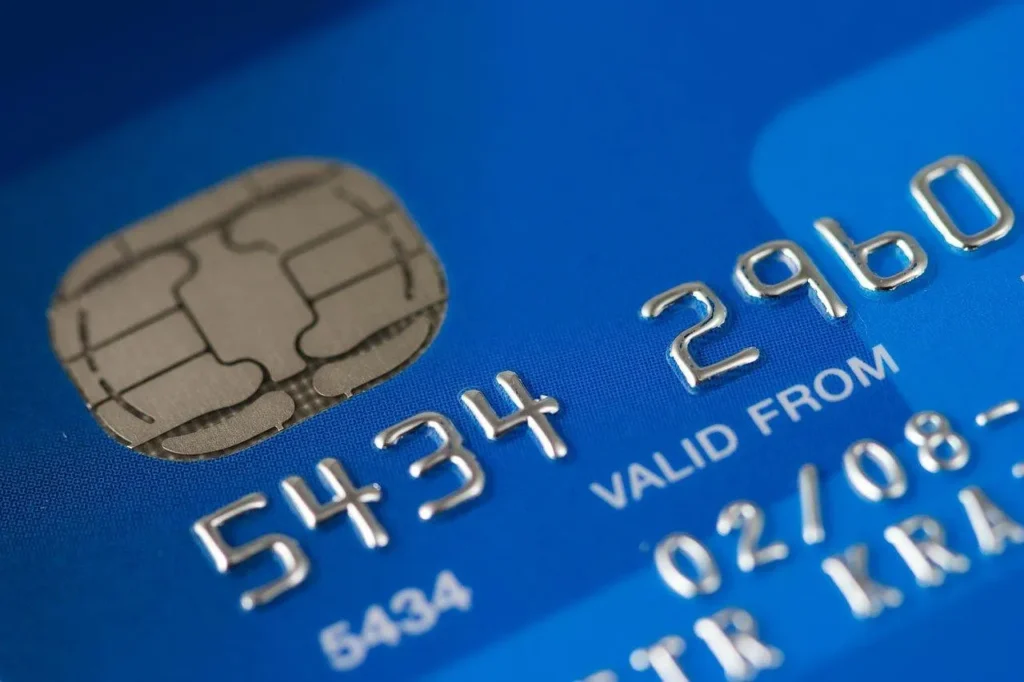
Emotional factors drive much of this behavior. People overspend to self-soothe anxiety, numb stress, or fill voids akin to emotional eating, often linked to insecure attachment styles like fear of rejection. Social influences amplify this, as “keeping up with the Joneses” pushes purchases to signal status, from luxury clothes to vacations.
- Anxious individuals prioritize others’ needs, leading to regretful social splurges where 41% later feel remorse.
- Childhood patterns create familiarity with financial chaos, making stability feel unsafe.
- Frictionless digital payments lower barriers, tricking the brain into undervaluing money’s worth.
Warning Signs
Recognizable patterns reveal when spending exceeds income. Exceeding budgets consistently, especially in dining or discretionary categories, signals trouble. Savings below 5% of gross income or housing costs over 28% further indicate imbalance.
Economic and Neural Mechanisms
Neuroscience shows spending activates reward centers, but “lifestyle creep” sustains it as income rises without proportional saving. Poverty cycles worsen via overspending traps, linking debt to health issues and stigma. Yet, strategic “above-means” living, like investing in experiences over assets, can yield happiness if balanced.
Breaking the Cycle
Awareness disrupts patterns: track triggers, cap housing at conservative ratios, and aim spends below assets (e.g., $250K income/wealth limits to $130K annually). Build buffers by prioritizing minimum debt payments and micro-savings. Therapy addresses roots, fostering sustainable habits over impulse.
Psychological Drivers of Overspending

Psychological factors heavily influence overspending habits. Impulse spending psychology often stems from emotional triggers like stress or boredom, where purchases provide instant dopamine hits. However, this creates a cycle of financial self-sabotage, as short-term relief leads to long-term regret.
Long-Term Financial Consequences
Overspending results in mounting consumer debt psychology issues. As a result, individuals face high-interest accumulation, credit score damage, and reduced wealth-building opportunities. Meanwhile, chronic debt correlates with health problems like anxiety and poverty traps.
Effective Budgeting Strategies
Budgeting strategies effectively curb living beyond your means. For instance, the 50/30/20 rule allocates 50% to needs, 30% to wants, and 20% to savings, preventing lifestyle inflation. Additionally, tracking expenses via apps builds awareness and enforces discipline.
| Strategy | Key Feature | Benefit |
|---|---|---|
| 50/30/20 Rule | Needs/Wants/Savings split | Balanced spending |
| Zero-Based Budget | Every dollar assigned | Eliminates waste |
| Envelope System | Cash limits per category | Curbs impulse buys |
Attachment Styles and Spending
Attachment styles significantly shape spending behavior. Anxious types overspend on social validation to avoid rejection, fueling overspending habits. In contrast, secure individuals budget proactively, avoiding financial self-sabotage.
Social Media’s Role in Lifestyle Creep
Social media amplifies lifestyle inflation risks by showcasing curated luxuries. As users scroll, FOMO drives impulse spending psychology, blurring real needs from perceived ones. Consequently, this heightens consumer debt psychology through constant comparison.
Path Forward from Overspending

Mastering the science of spending beyond your means requires confronting psychological drivers like impulse spending psychology and attachment influences, while countering lifestyle inflation fueled by social media. By adopting proven budgeting strategies such as the 50/30/20 rule and vigilant tracking, individuals can dismantle overspending habits and financial self-sabotage. As a result, this shift not only averts long-term consumer debt psychology pitfalls but fosters sustainable wealth and emotional well-being.
Frequently Asked Questions
What causes most people to overspend?
Psychological triggers like stress relief and dopamine from purchases drive overspending habits, often amplified by impulse spending psychology. Social comparison via social media further fuels lifestyle inflation.
How can I recognize lifestyle creep?
Lifestyle creep occurs when income rises but spending matches it, leaving no room for savings. Watch for increased discretionary costs like dining out exceeding 30% of budget.
What are signs of financial self-sabotage?
Chronic budget overruns, maxed credit cards, and avoiding bank statements indicate self-sabotage. These stem from emotional spending patterns tied to attachment styles.
Does attachment style affect consumer debt psychology?
Yes, anxious attachment leads to validation-seeking buys, heightening debt risks. Secure styles promote disciplined habits, reducing financial pitfalls.
Which budgeting tips stop living beyond means?
Use the 50/30/20 rule, envelope system, or apps for tracking to curb impulse buys. As a result, these prevent consumer debt psychology cycles.
Can social media cause overspending?
Absolutely, curated posts trigger FOMO and lifestyle inflation. Meanwhile, limiting exposure helps break the comparison trap.
Leave a Reply