Inflation is often discussed in terms of numbers: percentages, interest rates, consumer price indexes, and economic forecasts. But behind every statistic lies a deeply human story. Inflation does not only change how much things cost, it changes how people think, feel, decide, and behave. Over time, rising prices quietly reshape human psychology, influencing emotions, habits, relationships, and even moral judgments.
Understanding the psychological effects of inflation helps explain why societies behave differently during economic pressure, why stress rises even among those who are still earning, and why long-term inflation can leave emotional scars long after prices stabilize.
Inflation as a Psychological Stressor
At its core, inflation creates uncertainty. When prices rise unpredictably, the brain interprets this as a loss of control. Humans are wired to seek stability and predictability, especially around basic needs such as food, housing, and energy.
Inflation triggers:
- Anxiety about the future
- Fear of not being able to maintain one’s lifestyle
- A sense of insecurity even among financially stable individuals
This chronic uncertainty activates the brain’s stress response system. Over time, people experience mental fatigue, irritability, and heightened sensitivity to financial news. Even small price increases begin to feel threatening because they symbolize something larger: erosion of security.
The Illusion of “Falling Behind”
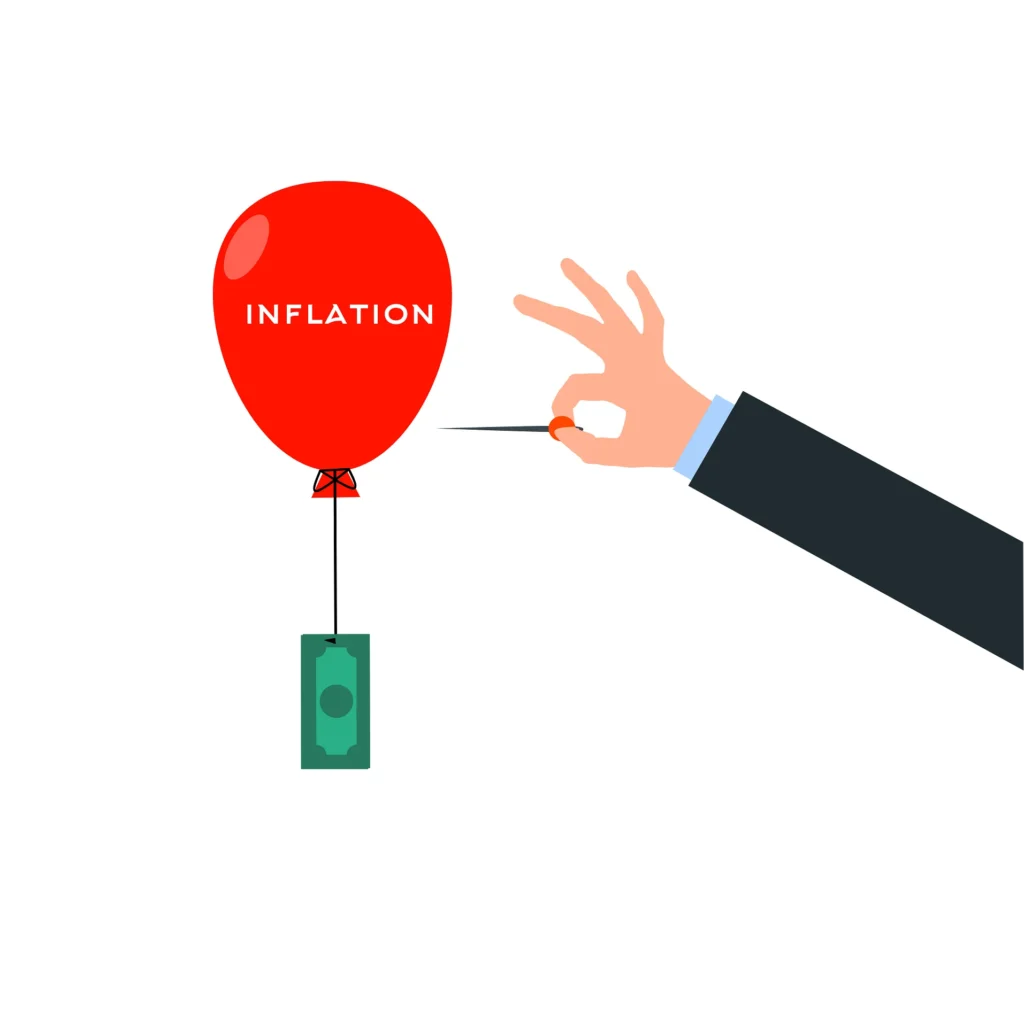
One of inflation’s strongest psychological effects is the feeling of relative loss. Even if income increases slightly, inflation often outpaces wages, creating the sensation that effort no longer leads to progress.
People begin to think:
- “I work just as hard, but I have less.”
- “Saving feels pointless.”
- “No matter what I do, I’m losing ground.”
This perception leads to learned helplessness, a psychological state where individuals stop trying to improve their situation because they believe outcomes are no longer linked to effort. Over time, motivation declines, productivity suffers, and cynicism grows.
How Inflation Changes Spending Behavior
Inflation alters spending habits in two seemingly opposite ways.
1. Anxiety-Driven Frugality
Some people respond by becoming extremely cautious:
- Delaying purchases
- Obsessing over discounts
- Feeling guilt when spending on non-essentials
While this can appear financially responsible, psychologically it often leads to constant tension and reduced life satisfaction.
2. Impulse Spending and “Now or Never” Thinking
Others respond with the opposite mindset:
- “Money loses value anyway.”
- “I should buy now before prices rise again.”
This leads to impulsive buying, credit dependency, and short-term thinking. Neurologically, inflation amplifies dopamine-driven behavior, similar to gambling or stress shopping. The brain seeks immediate relief rather than long-term planning.
Time Perception Shrinks Under Inflation
Inflation changes how people perceive time. When the future feels unstable, individuals become present-oriented. Long-term goals such as retirement planning, education savings, or home ownership feel abstract or unrealistic.
Psychologically, this results in:
- Reduced patience
- Less future planning
- Increased focus on short-term rewards
Societies experiencing prolonged inflation often see declining trust in long-term systems, from pensions to public institutions.
Trust Erosion and Social Psychology
Inflation doesn’t just affect individuals; it reshapes social dynamics.
When prices rise faster than explanations, people begin to question:
- Governments
- Corporations
- Financial institutions
- Media narratives
This breeds institutional distrust. Psychologically, distrust creates social fragmentation, conspiracy thinking, and polarization. People look for someone to blame, because the human brain struggles to cope with abstract causes like “global supply chains” or “monetary policy.”
Identity and Self-Worth Under Financial Pressure
Money is deeply tied to identity. Inflation challenges personal narratives such as:
- “I am responsible.”
- “I provide for my family.”
- “I am moving forward in life.”
When inflation undermines these beliefs, individuals may experience:
- Shame
- Reduced self-esteem
- Social withdrawal
Even those who are objectively “doing fine” may feel psychological distress because their expectations no longer match reality.
The Silent Rise of Financial Anxiety Disorders
Long-term inflation correlates with increased levels of:
- Chronic anxiety
- Sleep disturbances
- Irritability
- Depression linked to financial stress
Unlike sudden economic crises, inflation is slow and persistent. This makes it more psychologically exhausting. The mind remains in a constant low-level survival mode, never fully relaxing.
Inflation and Moral Decision-Making
Interestingly, inflation can influence ethical behavior. Studies and historical patterns show that prolonged economic pressure increases:
- Justification of dishonest behavior
- Tolerance for rule-breaking
- Moral flexibility
When survival feels threatened, the brain prioritizes immediate needs over abstract ethical standards. This doesn’t make people immoral, it makes them adaptive under perceived threat.
How People Psychologically Adapt Over Time
Humans are resilient. Over time, many people adapt to inflation psychologically by:
- Redefining success
- Adjusting expectations
- Finding meaning beyond consumption
Some develop stronger financial awareness, emotional resilience, and creativity in managing resources. Others, however, may become emotionally numb or disengaged from economic participation altogether.
Breaking the Psychological Cycle of Inflation Stress
While individuals cannot control inflation, they can reduce its psychological impact by:
- Focusing on controllable financial behaviors
- Setting short, realistic goals
- Limiting constant exposure to financial news
- Separating self-worth from purchasing power
Understanding that inflation is a systemic force, not a personal failure, is one of the most powerful psychological protections.
Conclusion: Inflation Is Not Just Economic, It Is Emotional
Inflation reshapes the human mind in subtle but powerful ways. It changes how people think about the future, how they relate to money, how they trust institutions, and how they see themselves. Its psychological impact often lasts longer than its economic effects.
By recognizing inflation as both an economic and psychological phenomenon, individuals and societies can respond with greater awareness, compassion, and resilience. Numbers may measure inflation, but human psychology reveals its true cost.
Frequently Asked Questions (FAQ): How Inflation Changes Human Psychology
Inflation increases stress, anxiety, and uncertainty by reducing people’s sense of financial control and security, even when incomes remain stable.
Because rising prices reduce purchasing power, the brain interprets this as falling behind, creating a sense of loss and frustration.
It can cause extreme frugality or impulsive spending, as people react emotionally to uncertainty and fear of future price increases.
Yes. Inflation shortens time horizons, making people focus on immediate needs rather than long-term goals like saving or investing.
Prolonged inflation is linked to chronic anxiety, sleep problems, irritability, and financial stress-related depression.
When prices rise without clear explanations, people begin to distrust governments, corporations, and financial systems.
No. Inflation is a systemic economic force. The emotional response to it is natural and shared across societies.
By focusing on controllable financial habits, setting realistic goals, limiting financial news exposure, and separating self-worth from money.
Leave a Reply