
Is it better to be a compact pancake or a petite marshmallow? Let’s find out!
Introduction: The Short Person Struggle
Being short comes with a lot of perks: you never hit your head on doorframes, you’re excellent at hide-and-seek, and airline legroom is basically a luxury you don’t need. But then comes the eternal question: if you’re already vertically challenged, is it better to be short and thin or short and… pleasantly plump? Should you embrace your inner marshmallow, or flaunt that tiny frame like a runway model?
What Fat, Thin, and Short Really Mean: Weight and Height Guide
When people talk about being fat, thin, or short, the definitions can vary depending on region, culture, and personal perspective. Here’s a simple guide using common American (pounds & inches) and European (kilograms & centimeters) measurements:
| Category | Weight (US) | Weight (EU) | Height (US) | Height (EU) | Notes |
|---|---|---|---|---|---|
| Short & Thin | 90–130 lbs | 41–59 kg | 4’11”–5’3” | 150–160 cm | Often agile, less body fat, light frame |
| Average | 130–170 lbs | 59–77 kg | 5’4”–5’7” | 162–170 cm | Typical BMI, balanced build |
| Short & Fat | 150–200+ lbs | 68–91+ kg | 4’11”–5’3” | 150–160 cm | More body fat relative to height, often softer build |
| Tall & Thin | 150–180 lbs | 68–82 kg | 5’8”–6’0” | 172–183 cm | Lean frame, longer limbs |
| Tall & Fat | 180–250+ lbs | 82–113+ kg | 5’8”–6’0” | 172–183 cm | Higher body fat relative to height, larger frame |
Key Takeaways:
- “Short” usually refers to under ~5’4” (162 cm) for adults.
- “Thin” typically implies a BMI under ~18.5–22, while “fat” implies a BMI over ~25, but these are general guidelines.
- Regional differences: Americans often use pounds and inches, Europeans use kilograms and centimeters, but the concepts are universal.
This table helps you visualize how weight and height interact to create different body types and why “fat,” “thin,” and “short” can mean different things depending on context.
Let’s dive into this mini-versus-mighty debate with a sense of humor (and a few memes in mind).
1. The Pros and Cons of Being a Short Thin Person
Pros:
- Agility: You can dodge crowds, squeeze into tiny chairs, and fit into closets like a ninja.
- Fashionable: Skinny jeans, fitted tops, crop everything—your closet is basically a playground.
- Easier Travel: You take up less space on buses, planes, and roller coasters.
Cons:
- Cold Feet: No padding means every winter feels like your toes are auditioning for an ice sculpture.
- Invisible Mass: People might underestimate your presence—“Where’s the short person? Oh, there you are, literally tiny!”
- Snack Problems: People assume you eat less, so they might steal your fries.
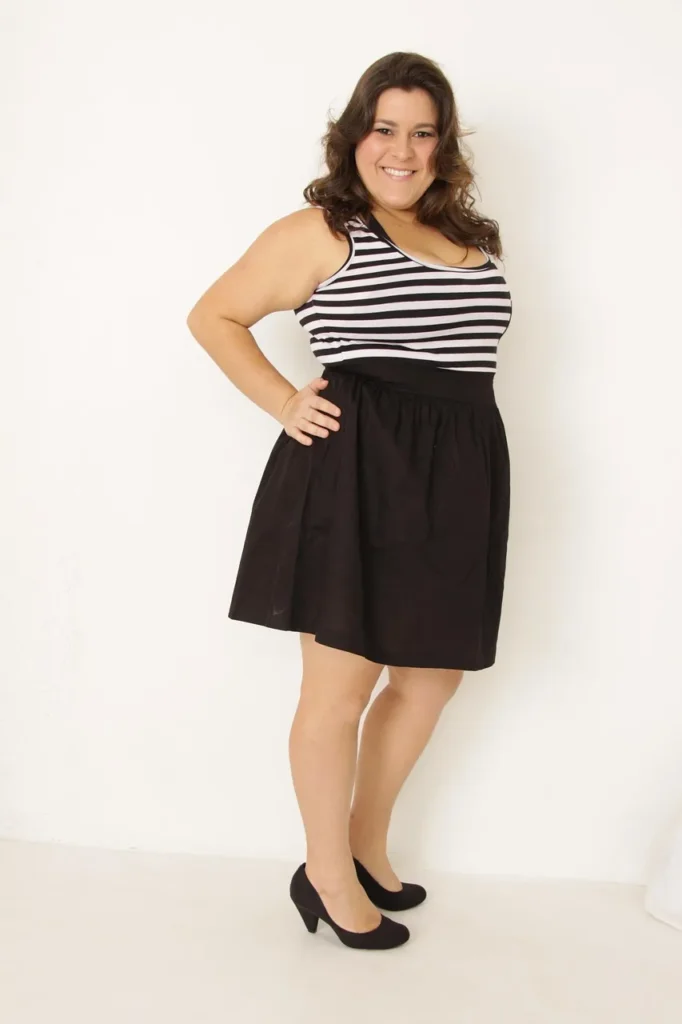
2. The Pros and Cons of Being a Short Fat Person
Pros:
- Cushion Benefits: Seats are comfier. Falls hurt less. Body armor—literally.
- Hug Magnet: People love hugging a short, soft bundle of joy.
- Confidence Potential: Own your body, embrace it, and suddenly people start complimenting your “cute and compact” vibe.
Cons:
- Limited Legroom: Some chairs, planes, or roller coasters may no longer feel cozy.
- Clothing Drama: Fashion is tricky; finding stylish pieces in your size can be a quest.
- Stairs: Let’s just say every step can feel like a mini-mountain climb.
3. Height + Size = Superpower?
Here’s a secret: your size and height combo can give you some unexpected powers:
- Short + Thin = Ninja: You can slip through doors, crowds, and life’s awkward situations with ease.
- Short + Fat = Teddy Bear Mode: You radiate warmth, comfort, and instant likeability. People trust short, plump heroes—think Santa Claus or a lovable cartoon sidekick.
4. Social Situations: How People Treat You

Being short changes how people see weight:
- Short and Thin: “Oh, you eat fries? Wow, you’re so lucky!” People assume you’re fragile and treat you delicately.
- Short and Fat: “Wow, you’re so cuddly!” Or sometimes “Wow… you’re cute AND portable!” Yes, that’s a real compliment (sort of).
The moral: people exaggerate your size more when you’re short. Being a petite marshmallow? Extra hugs. Petite pancake? Extra compliments for your metabolism.
5. Humor and Self-Acceptance
At the end of the day, short people—whether marshmallow or pancake—have one major advantage: comedy gold. Life is full of jokes about short people, and adding size into the mix just gives you more material. Embrace it. Wear it proudly. Make memes about it. Your height plus your weight = unlimited entertainment potential.
6. Practical Tips for Short People
- Short + Thin: Layer clothes for warmth, eat those fries unapologetically, and rock high socks.
- Short + Fat: Embrace stretchable fabrics, rock your curves with confidence, and never underestimate the power of a smile.
- Exercise: No matter your size, short people can benefit from fitness. It improves mobility, balance, and makes climbing stairs less of an adventure.
7. The Verdict: Who Wins?
Honestly? Neither. Both short thin and short fat people have hilarious, unique advantages.
- Want ninja-level agility and fashion freedom? Short and thin.
- Want comfort, warmth, and instant hugs? Short and fat.
But the real winner? The short person who owns their height, embraces their size, and laughs at life. That’s a superpower no tall person can steal.
Conclusion: Short, Sweet, and Funny
Whether you’re a tiny marshmallow or a petite pancake, being short gives you humor, perspective, and style that others spend years trying to copy. Don’t stress over thin vs fat—focus on comfort, confidence, and embracing your unique mini-superpowers. And remember: life is funnier when you’re closer to the ground anyway.
FAQ: Fat, Thin, and Short — What You Need to Know
1. What counts as “short” in the U.S. and Europe?
In the U.S., adults under 5’4″ (162 cm) are often considered short. In Europe, the perception is similar, though some countries use 165 cm as the informal cutoff. It’s not medical—it’s cultural.
2. What weight is considered “fat” or “thin” for short people?
Weight definitions vary, but BMI generally labels:
- Thin: BMI under 18.5
- Normal: 18.5–24.9
- Overweight (“fat”): 25–29.9
- Obese: 30+
However, muscle mass, bone structure, and genetics can make BMI inaccurate for many people.
3. Are short people more likely to look “fat”?
Yes—shorter bodies have less vertical space, so weight becomes visible faster. Even small weight changes show more clearly on a shorter frame.
4. Is it healthier to be thin or fat if you’re short?
Health depends more on body fat percentage, muscle mass, diet, and activity than on simply being thin or fat. A “fat” person who exercises may be healthier than a thin, inactive person.
5. Why do short people gain weight more easily?
Short bodies burn fewer calories at rest. This means even a small calorie surplus can lead to weight gain more quickly.
6. Do men and women have different standards for short, fat, or thin?
Yes—society judges women more harshly for weight, while men face more pressure about height. The biological measurements are the same, but social expectations differ.
7. Can a short person look good fat or thin?
Absolutely. Style, confidence, posture, and clothing choices often influence appearance more than the number on the scale.
8. Is BMI accurate for short people?
BMI can be misleading for very short individuals because it doesn’t account for bone density or body proportions. Using waist circumference and body fat percentage gives a clearer picture.
9. What’s the ideal weight for someone who is short?
There is no universal “ideal.” Most charts suggest:
- 4’11″–5’2″ (150–158 cm) → 95–130 lbs (43–59 kg)
But the best weight is one where you feel healthy, energetic, and comfortable.
10. Should short people focus more on fitness than weight?
Yes. Fitness affects health far more than the scale does. Strong muscles, a balanced diet, and regular movement matter more than being “fat” or “thin.”
About the Author — Ana Milojevik
Ana Milojevik is a passionate writer, SEO expert, and lifestyle observer who loves turning everyday questions into entertaining, insightful articles. With years of blogging experience and a talent for mixing humor with helpful information, Ana explores topics ranging from health myths to modern culture. Her signature style blends relatable storytelling, research-based insights, and a touch of comedy that keeps readers engaged from start to finish.
When she’s not writing, Ana enjoys analyzing trends, perfecting her blog strategy, and discovering the amusing truths hidden in ordinary situations.
Leave a Reply