For decades, traditional television dominated the way people consumed entertainment. Families gathered around the TV at scheduled times to watch their favorite shows, movies, or news broadcasts. Cable and satellite providers controlled what viewers could watch and when they could watch it.
However, over the past decade, the entertainment landscape has changed dramatically. The rise of streaming services has transformed how audiences access content, giving viewers more control, flexibility, and choice than ever before. Today, millions of people are canceling cable subscriptions and turning to streaming platforms instead.
Streaming is not just a new way to watch television—it represents a major shift in how media is produced, distributed, and consumed.
The Convenience of Watching Anytime
One of the biggest reasons streaming has become so popular is convenience. Traditional television operates on a fixed schedule. If a show airs at a specific time, viewers must adjust their schedule to watch it or miss the episode.
Streaming services eliminate this limitation. Viewers can watch content whenever they want. Whether it’s early in the morning, late at night, or during a commute, streaming platforms allow users to access movies, series, documentaries, and live programs on demand.
This flexibility fits modern lifestyles, where people often have busy schedules and prefer entertainment that adapts to their time rather than the other way around.
A Huge Library of Content
Traditional television channels are limited by time slots and programming schedules. A network can only broadcast one program at a time, and viewers are restricted to whatever is currently airing.
Streaming platforms offer something very different: vast libraries of content. Users can browse thousands of movies, television series, and special programs across many genres.
Whether someone enjoys action films, comedy series, historical documentaries, or reality shows, streaming services provide options that traditional television simply cannot match. This variety gives viewers the freedom to explore new genres and discover content they might never have encountered through regular TV programming.
Watching on Any Device
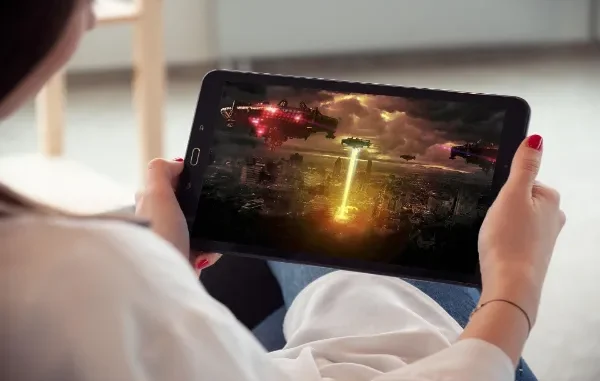
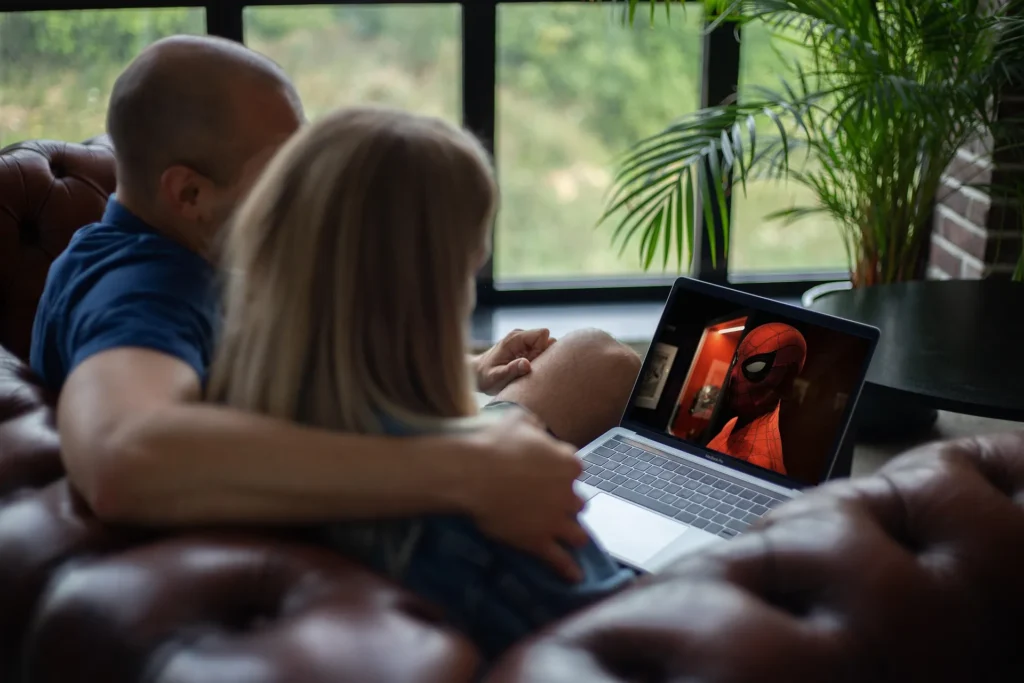
Another major advantage of streaming is accessibility. Traditional television typically requires a television set connected to a cable or satellite service. While this setup worked well in the past, today’s audiences expect entertainment to be available everywhere.
Streaming allows viewers to watch content on many devices, including:
- Smartphones
- Tablets
- Laptops and desktop computers
- Smart TVs
- Streaming devices and gaming consoles
This means people can watch their favorite shows at home, while traveling, or even during short breaks throughout the day. The ability to switch between devices seamlessly makes streaming far more flexible than traditional television.
Personalized Viewing Experiences
Traditional television offers the same programming schedule to everyone watching a particular channel. In contrast, streaming platforms use technology to create personalized experiences.
Many streaming services analyze viewing habits and recommend content based on a user’s preferences. If someone frequently watches comedy films or crime dramas, the platform will suggest similar content.
This personalization helps viewers find programs that match their interests without spending long periods searching through channels. It also introduces audiences to new shows and movies they might enjoy.
Fewer Advertisements
Advertising has always been a major part of traditional television. Commercial breaks interrupt programs frequently, sometimes several times during a single episode.
Streaming services often offer fewer advertisements, especially in subscription-based models. Many platforms allow viewers to watch entire episodes or films without interruption. This uninterrupted viewing experience makes entertainment more enjoyable and less frustrating.
While some streaming services include ads in lower-cost plans, the overall advertising load is typically much lighter than traditional broadcast television.
Greater Creative Freedom for Content
Streaming has also changed the way content is produced. Traditional television networks often follow strict guidelines regarding episode length, content style, and broadcast schedules.
Streaming platforms provide creators with greater freedom. Shows can have flexible episode lengths, unique storytelling styles, and diverse themes. This creative flexibility has led to the production of high-quality original series and films that attract large audiences worldwide.
Many award-winning shows and critically acclaimed productions now debut exclusively on streaming platforms, further strengthening their appeal.
Cost Considerations
For many households, the cost of cable or satellite television can be quite high. Monthly subscriptions often include large bundles of channels, many of which viewers never watch.
Streaming services usually offer simpler pricing structures. Users can subscribe to one or more platforms depending on their interests, often paying less than a traditional cable package.
This ability to customize entertainment subscriptions allows viewers to control their spending while still accessing a wide range of content.
Global Access to Entertainment

Streaming platforms have also expanded access to international content. Traditional television channels usually focus on programming from a specific region or country.
Streaming services make it possible to watch shows and films from around the world. Viewers can discover foreign dramas, documentaries, and films that were previously difficult to access through traditional television.
This global access has broadened cultural exposure and introduced audiences to diverse storytelling styles.
Changing Viewer Habits
The rise of streaming reflects broader changes in how people consume media. Modern audiences prefer flexibility, variety, and control over their entertainment choices.
Binge-watching—watching multiple episodes of a series in one sitting—has become a popular habit that traditional television rarely supported. Streaming platforms encourage this behavior by releasing entire seasons of shows at once.
These new viewing habits highlight the growing demand for on-demand content that fits individual preferences rather than rigid broadcasting schedules.
The Future of Television
While traditional television still exists and continues to serve certain audiences, the rapid growth of streaming suggests that the future of entertainment will increasingly revolve around digital platforms.
Streaming services continue to invest heavily in new technologies, original productions, and improved user experiences. As internet speeds improve and devices become more connected, streaming will likely become even more accessible and widespread.
At the same time, traditional television providers are adapting by launching their own streaming platforms and integrating on-demand features.
Conclusion
Streaming has fundamentally transformed the way people watch television. By offering convenience, vast content libraries, personalized recommendations, and flexible viewing across multiple devices, streaming platforms have created an entertainment experience that traditional television struggles to match.
For modern audiences who value choice and convenience, streaming represents a natural evolution in how media is consumed. While traditional television may still have a place in the entertainment landscape, streaming is clearly shaping the future of how people watch their favorite shows and movies.
Leave a Reply